
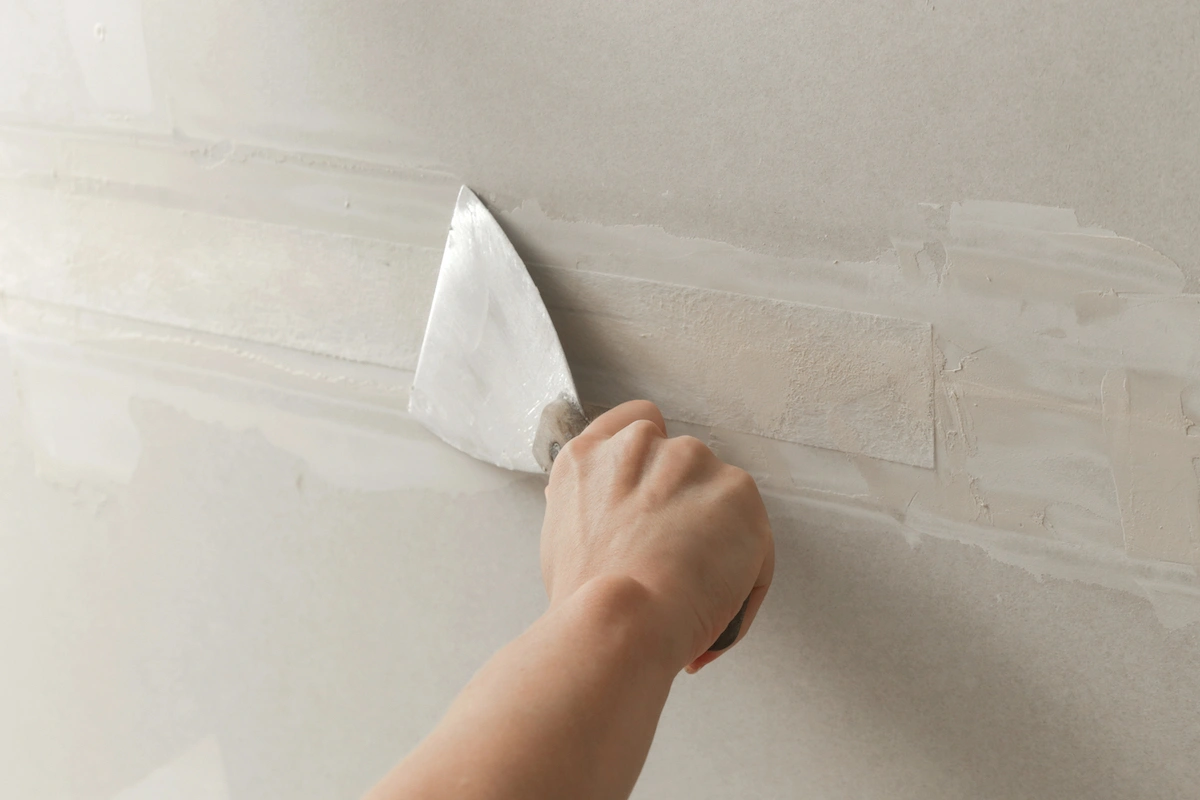
In a perfect finish drywall seams should integrate into the wall or ceiling. When done right, you shouldn’t notice where one drywall sheet ends and another begins. But with time these seams will present themselves; you may see lines, ridges, cracks, bubbles, uneven patches. This will give a clean room a disjointed, old, or neglected look.
Visible drywall issue which is a report in homes and businesses are visible seams. At times they present shortly after the installation. At other times they appear in the months or years which follow due to movement, moisture, poor taping, or weak joint compound. No matter the time of their appearance, they usually indicate that the surface requires proper repair instead of a quick paint job.
Professional Drywall Seam Repair gives you back a smooth finish, improves the look of your space, and also prevents the issue from reoccurring. With the proper preparation, materials, and finish work drywall seams may be repaired and made to blend in with the rest of the wall.
A Clean Wall Begins With Careful Attention To Detail
In the past we may have thought drywall work was all about the installation of the board. But in fact it is the taping, mudding, sanding, priming and blending that brings out the finished product. If any of these steps are rushed the results may suffer. A seam may present itself as a raised line, a sunken joint, a hairline crack, or a shadow in certain lighting.
Many home owners first note out of place joins after painting a wall. What was once smooth may now have a very present texture. Also it is at this stage that past imperfections in the finish come through which may not have been there previously. Bright natural light and ceiling lights will bring out the imperfections and also a gloss paint will draw the eye to these areas. Thus it is important that the drywall be finished with care before the final paint application.
In the process of drywall seam repair what we do is take in the whole surface. We look for signs of the seam which may be raised, cracked, loose, wet, or from poor finish. That in turn helps us determine the best repair method as opposed to just temporary coverage.
Why Seams Start Showing Through Walls
Drywall seams out as a result of a few issues. One which is very common is poor joint taping. At times the tape is applied incorrectly in to the compound which in turn causes it to lift, bubble, or produce lines under the paint. As the tape’s bond breaks the seam becomes more so.
In another note we see that it is the thin or uneven joint compound which is an issue. For drywall seams to go smooth between sheets just the right amount of compound is required. When the compound is too thin the seam will actually appear to have sunken in. Also if too much is put on and then not sanded down properly the seam will stand out.
House movement also causes issues with seams. Home structures naturally settle as they age. With time you see small movements in the framing, changes in temperature, and vibration which put stress on drywall joints. When this takes place seams may crack or come apart slightly.
Moisture is a large issue which causes seams to be seen. From roof leaks, plumbing leaks, bathroom humidity, to poor ventilation we see what moisture does to drywall compound and tape. A seam that has been affected by moisture may bubble, stain, softening or cracking. Trying to paint over this type of seam without addressing the moisture issue will not fix the problem.
Bad sanding also brings out seams. When too much drywall mud is sanded the tape shows. If not sanded enough the joint will stay high and uneven. Proper drywall finish work is a balance of technique and experience.
When Paint Makes Seams Look Worse
Paint is what many think will cover up the visible seams; instead at times paint makes things worse. Paint does not fill in high joints, broken tape, or uneven patches in fact it may bring out shadows and surface lines more.
Gloss paint and bright lighting bring out the best in imperfections. What may pass for a good looking wall in low light may in fact have visible seams in better lighting which in this case is sunlight hitting it at an angle. That is to say the wall must be repaired first prior to repainting.

Primer is key. If drywall seams were not primed right, the joint compound may accept the paint different than the rest of the surface which in turn may cause what we see as flashing, — certain areas that look dull, shiny or patchy. Right priming is what gives you that even finish after you do your drywall seam repair.
How Professionals Fix Visible Drywall Seams
Detailed Seam Inspection
At the start we do an inspection. We go into detail on the seam to see what the issue is. Is it loose tape, cracked compound, moisture, poor sanding, or wall movement which is the issue? This step is very important as not all seam issues require the same repair.
Loose Tape Removal
If you have loose or bubbled tape we remove the damaged tape and weak compound. We then apply new drywall tape with fresh joint compound. The tape has to lie flat and stick well to the surface. This gives a strong base for the repair.
Wider Seam Blending
If the issue is a stand out seam we get in and fix it out more which will make the joint less noticeable in with the rest of the wall. For small repairs what is left is still very noticeable. In large scale repairs this is what makes the defect blend into the surface.
Sunken Seam Filling
If at all there is a sunken seam we fill that in with light layers of joint compound. Each layer we allow to dry before we sand and apply the next stage. We see that rushing through this process causes issues such as shrinkage, uneven finish, and the defect to reappear.
Smooth Sanding And Priming
Once the compound has dried we do a very close sanding. We don’t remove all of the product, instead we sand to out smooth edges and create a flat transition. Also we prime the repair to ensure a uniform paint job.
Texture Matching Finish
In terms of textured walls and ceilings we also reproduce that texture in the repair. This is a key point to bring up even a perfect repair will stand out if the texture doesn’t match. We use pro methods for texture blending which in turn makes the repair area look very natural.
Proper drywall seam repair which lasts longer.
A fast patch may cover up a seam for a while, but in terms of proper drywall seam repair we look at the base issue. If the issue is loose tape which caused the problem, the tape has to be replaced. It is due to moisture the source of that must be dealt with first. If it was a result of poor finish work the area must be floated and blended in properly.
Professional repair also gets the job done faster and also prevents follow up work. A lot of people see us do many repairs ourselves and come out the other end with visible sanding marks, thick putty edges, mismatched finish or paint which peels out. These issues may leave the wall in a worse condition then the original problem.
In a professional drywall job the repair is done up to the details. We layer, sand, prime and finish the work which in turn creates a clean finish that will blend in with the rest of the wall or ceiling.
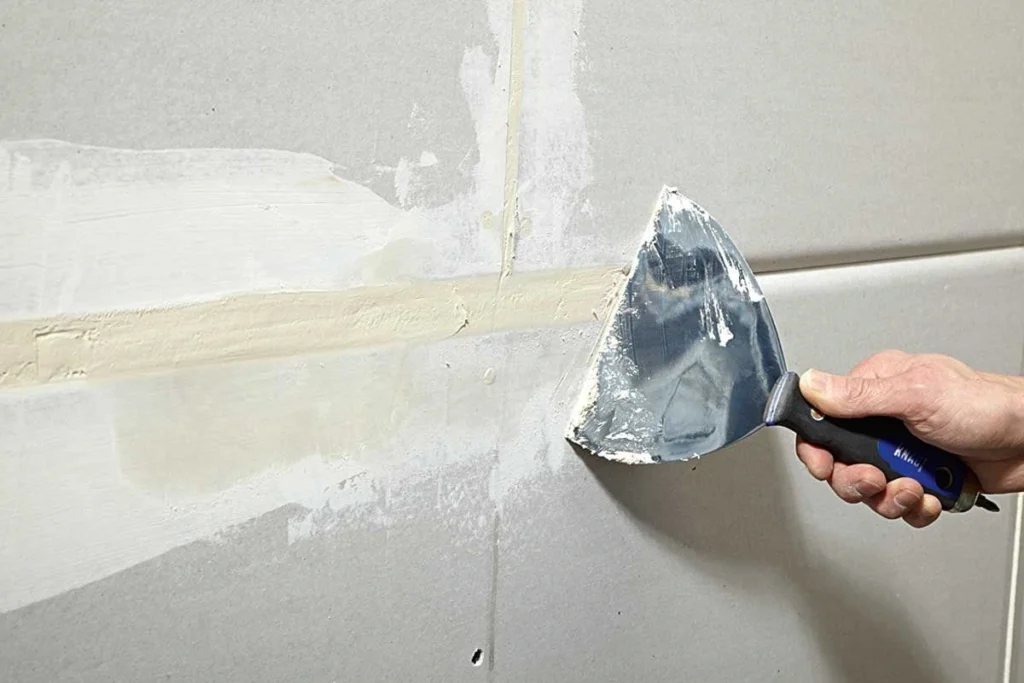
When to Call in the Drywall Expert.
When it’s time to call in a drywall pro is when you see repeated issues with seams, tape coming up, cracks growing, or moisture stains. Also get help if you have large scale visible seams which is a sign of a bigger issue. Ceilings are more of a challenge to repair as lighting and angle of view play into what flaws stand out.
If you’re getting ready to paint, put on the market, do a room over, or refresh an office, by all means go ahead and fix those visible seams first. Smooth drywall for best paint application and to get that pro look in the whole room.
Our team does in depth drywall seam repair of walls and ceilings. We fix lifted tape, cracked joints, uneven seams, poor finish work, and texture issues. We concentrate on clean blending which in turn makes the repaired area to look natural, smooth, and ready for paint.
Final Thought
Visible drywall seams are a telltale sign of a room that isn’t fully finished even if you’ve just painted it. They may be a result of poor taping, weak compound, moisture, settling, sanding errors, or bad finishing. What we do is more than just covering up the defect. We restore the surface, strengthen the joint, blend the texture, and get your wall in preparation for a perfect finish. Professional drywall seam repair gives your walls and ceilings the smooth look which is their design intent.
Ready for seamless perfect walls? We do expert drywall seam repair. Book in with Wall Tech Drywall Repair today for professional repair, smooth finish, and lasting results for your home or business!